Image: SHIPTRON


“PPE and rescue equipment aren't just there to comply with regulations. They're there to get people home safely”
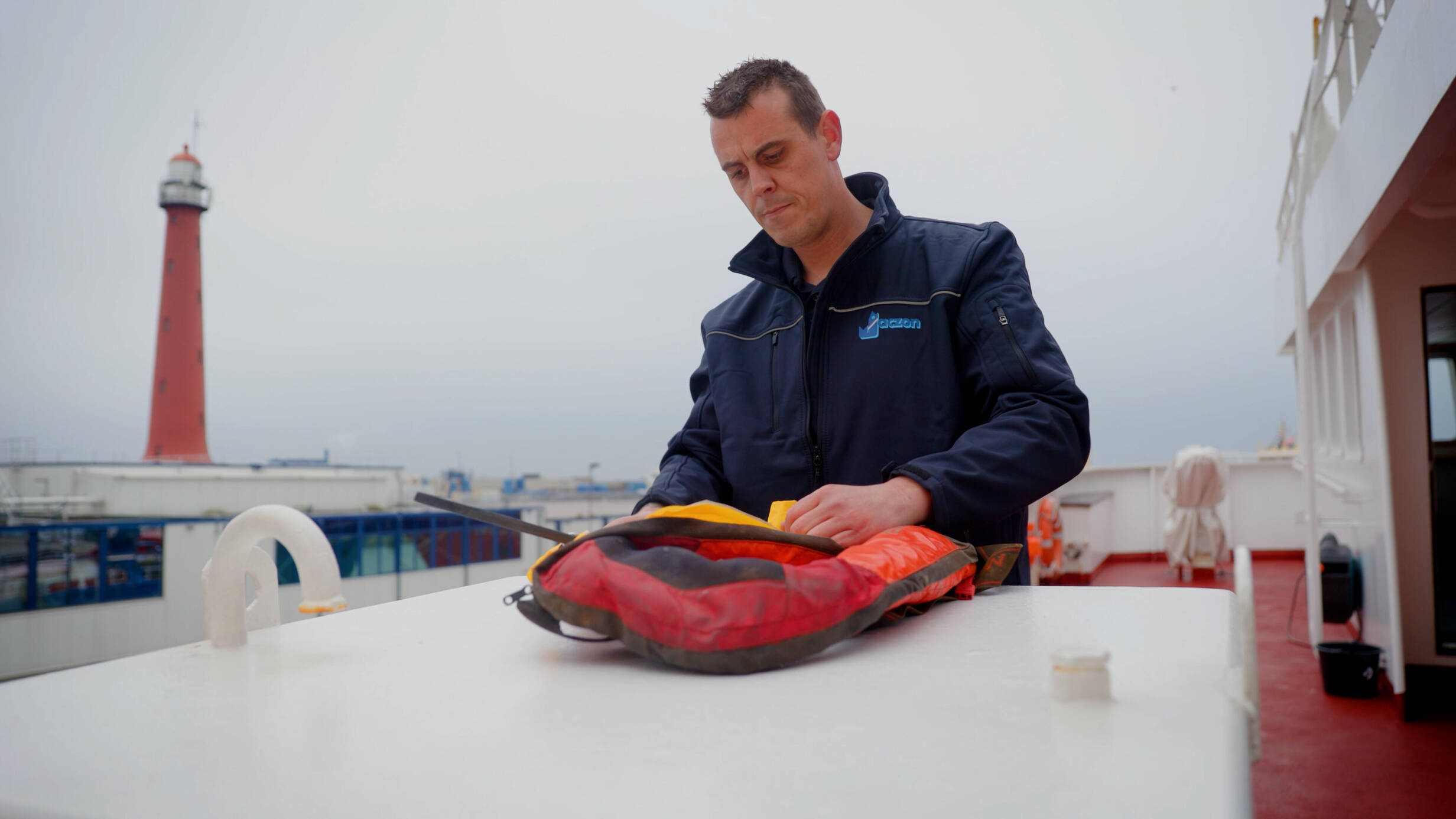
Image: SHIPTRON
Image: KNRM
In some sectors, such as fishing, I still see young people going out to sea without any real introduction to the ship. No explanation, no tour. That is unacceptable. When you are on a ship for the first time, you need to know instinctively where your PPE and rescue equipment are. And if you don't get that explanation? Ask for it. Your own safety is always worth it.
My message to employers, shipping companies, and managers: Sending your crew safely to sea is your greatest responsibility. Legally, but also for you personally. No one should have to go out and tell loved ones that their family member will not be coming home. That will always weigh on you personally. You must do everything you can to prevent that from happening. Working safely at sea does not start with technology. It starts with behavior, so when putting on that life jacket with emergency transmitter
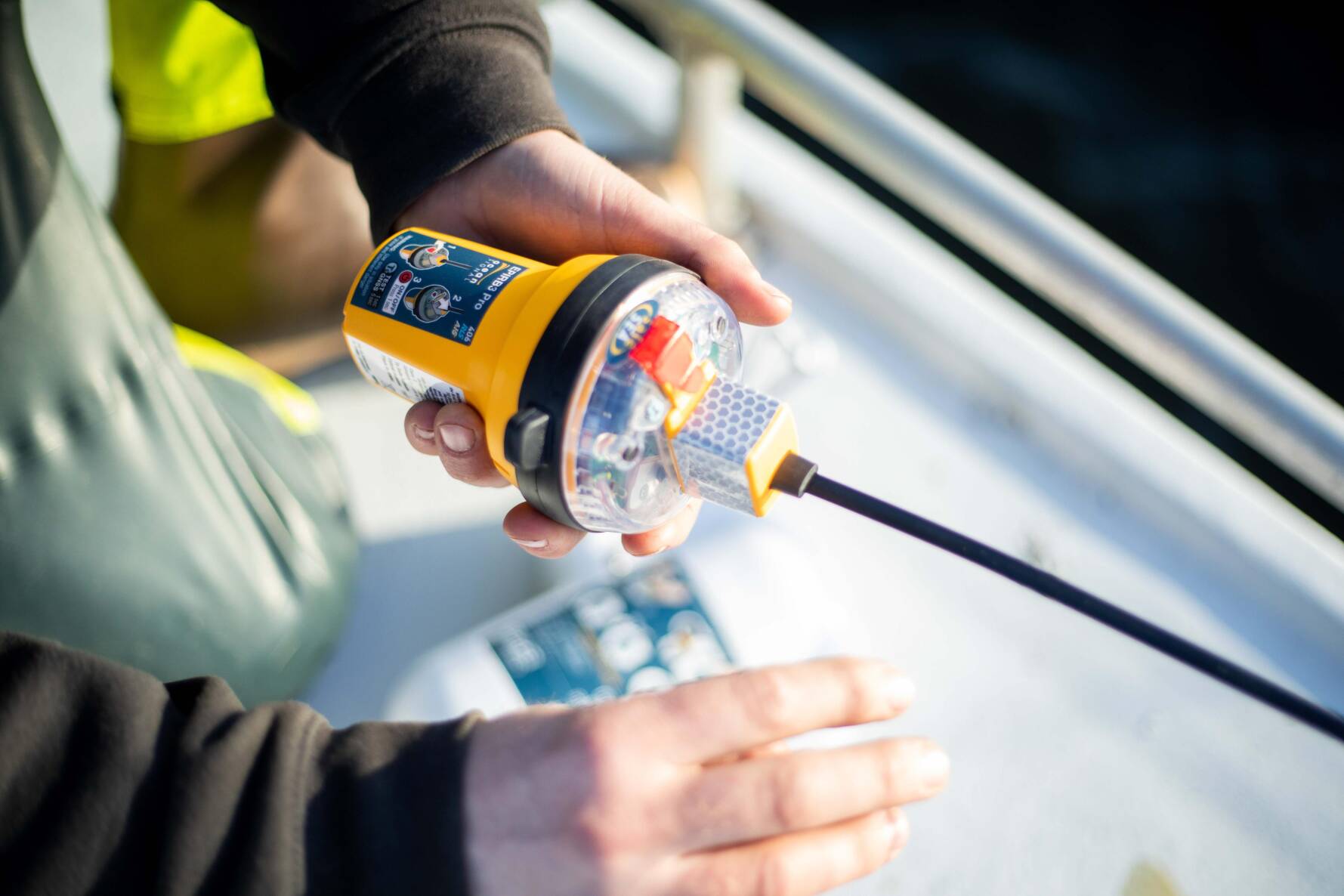
Do you work on deck, without proper railings, with unexpected movements, bad weather, or fatigue? Then a life jacket is just as essential as work boots or a helmet. And not just any life jacket, but one with a personal emergency signal. Don't make it a search operation. Make it easy to find. Because time is everything. The temperature of the water can quickly cause hypothermia. Twenty minutes can pass in no time. If the ship first has to turn around and search, that time is often already lost. With an AIS emergency beacon in the life jacket, someone becomes immediately visible on the map. Then rescue suddenly becomes feasible.
Test rescue equipment regularly
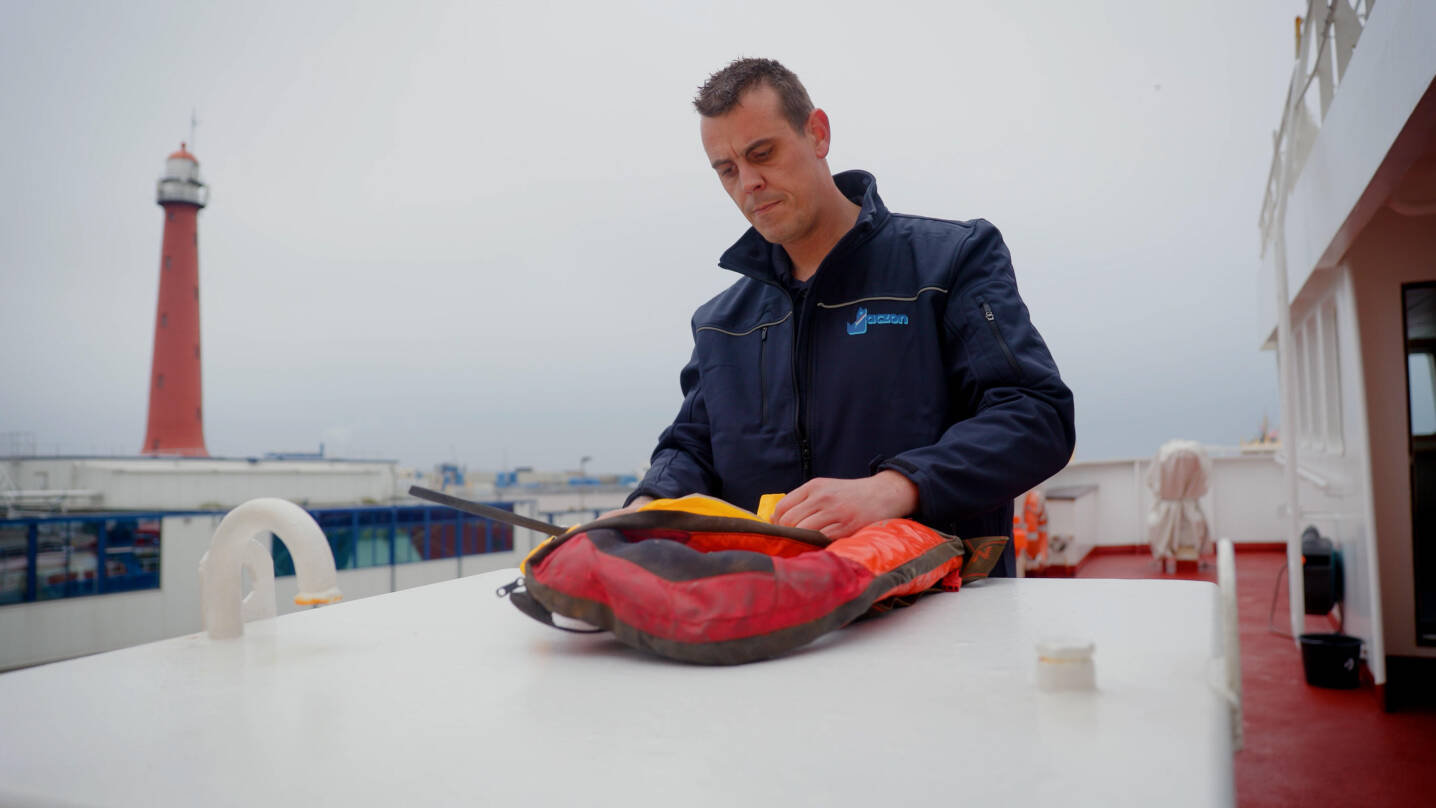
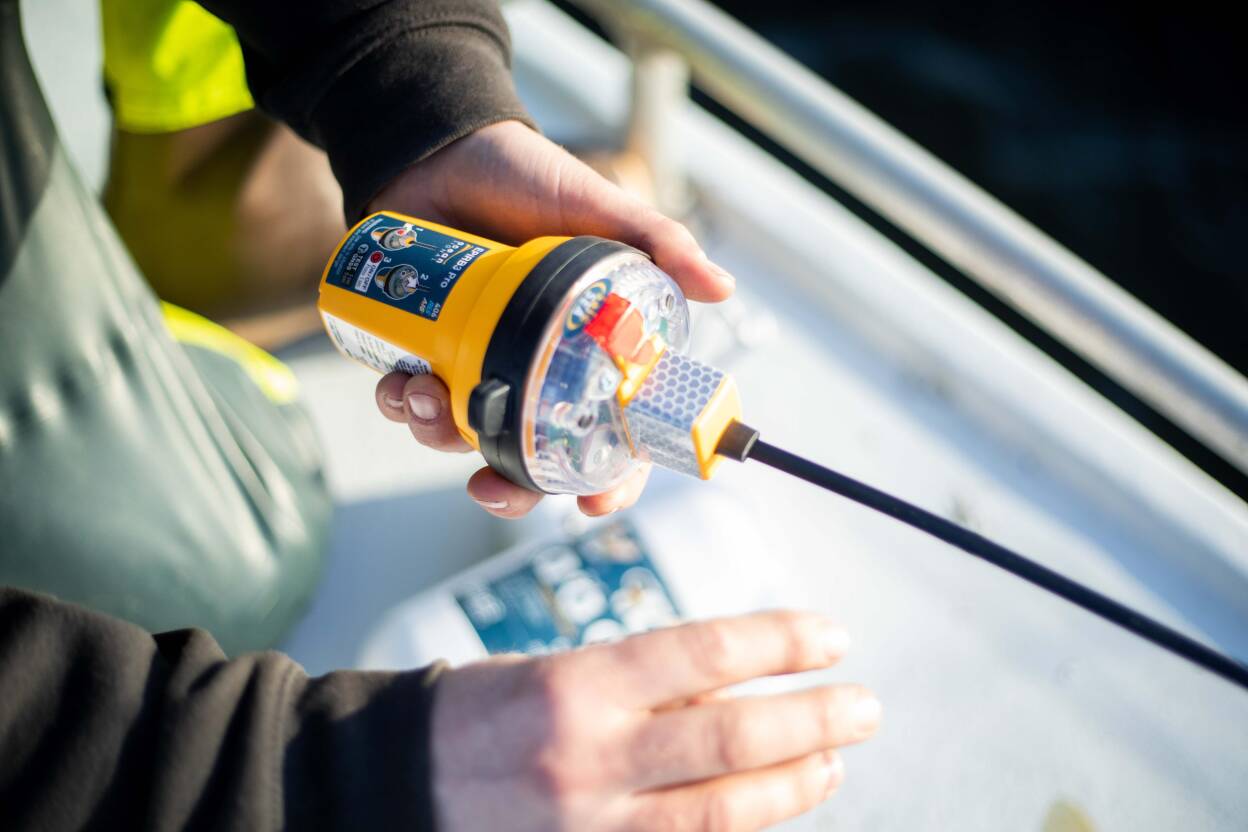
PPE and rescue equipment are not just there to comply with regulations. They are there to bring people home. That is why it is crucial that everyone on board knows where these items are and how they work. EPIRBs, life jackets, survival suits: they require little maintenance, but they do require attention. Test them regularly. Use the test function. And make sure people know where they are. Especially new people on board.
A good rescue device makes all the difference
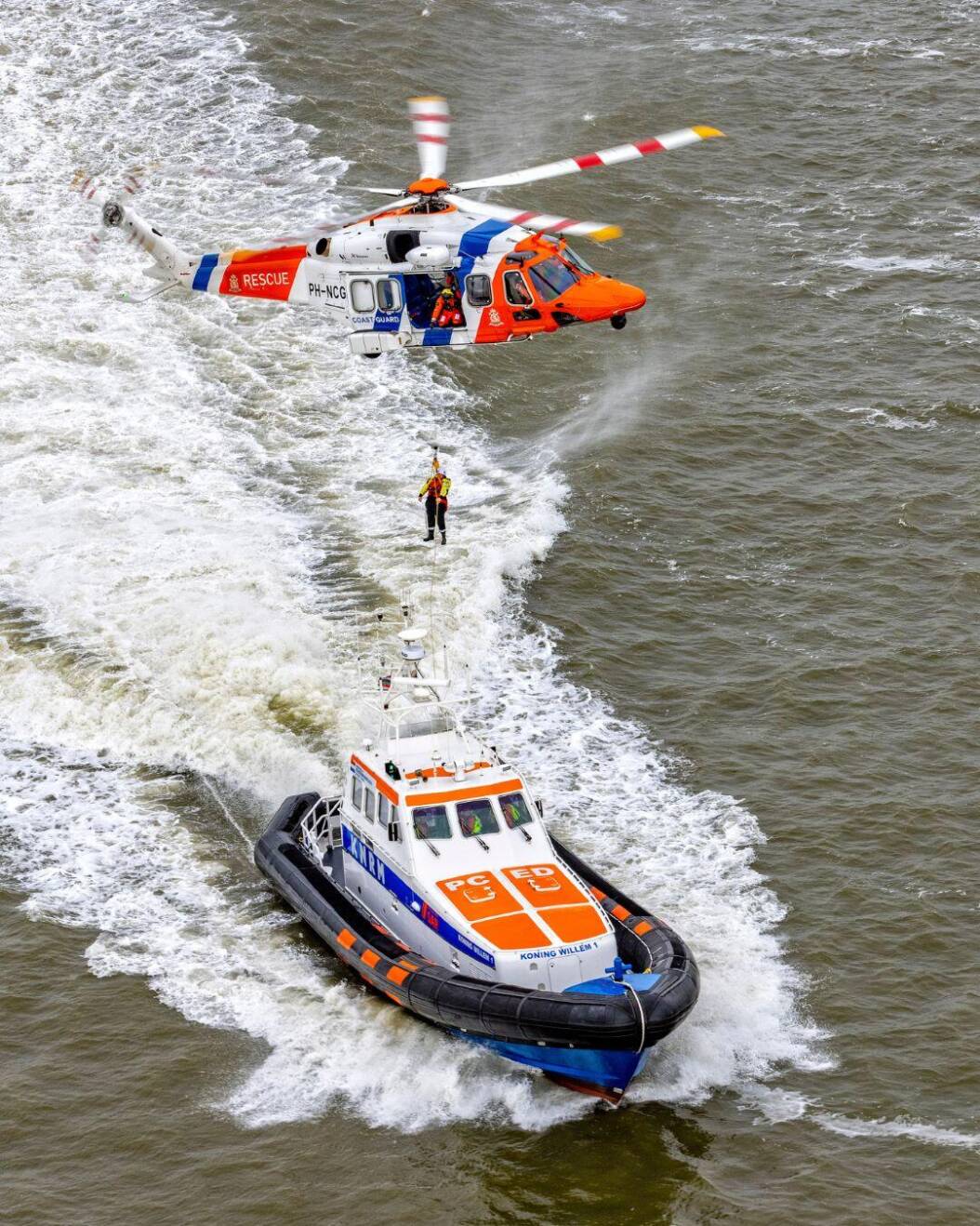
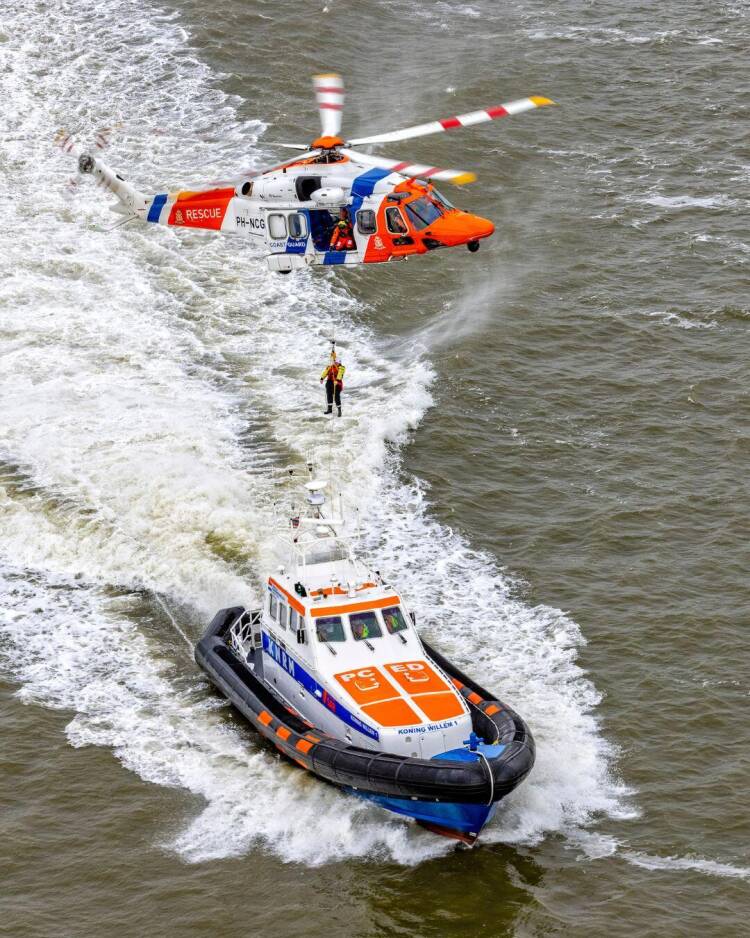
A person in the sea is incredibly difficult to find, especially when no one knows exactly when it happened. A life jacket alone is often not enough. That realization became painfully clear to me—and to the sector—on January 1st 1995, when KNRM member Hans Westenberg fell overboard during a New Year's storm. We know Hans personally. He thought it was over until he noticed that his light was still working. That small light gave him hope. Eventually, he was found and rescued by a helicopter. That moment showed how thin the line between life and death is. And how big a difference a good rescue device can make.
Since then, a lot has happened in terms of technology. Communication at sea has become more reliable, distress signals have been automated, and AIS makes it possible to locate not only ships but also people in distress. Personal emergency beacons, integrated into life jackets, ensure that someone who falls overboard can be located immediately. Not only by their own ship, but by all ships in the vicinity.
But technology only works if you wear it
Studies by the Dutch Safety Board, among others, repeatedly show the same pattern: man overboard incidents are almost without exception fatal if no life jacket was worn. Without a life jacket, you have practically no chance at sea. It's that simple.
We think it makes perfect sense to wear a helmet to protect against falling objects. Safety glasses when grinding or welding. Gloves for heavy work. It's part of the system, part of the culture. But the life jacket—perhaps the most important PPE on board—is still too often seen as optional in some sectors. As something for “just in case.” Or for “when it's really necessary.” But falling overboard rarely happens at a planned moment.
“Experience builds confidence, routine breeds complacency. Until life changes. Suddenly, responsibility felt different. Not just for myself, but also for the people waiting for me”
My name is Carla Hogeweg and I have been working in maritime communications and safety equipment since 1987. My husband, with whom I run our company, is technically skilled. I am more involved in the commercial side of our organization. But regardless of our roles, we share one conviction: working at sea can only be done responsibly if personal protective equipment and rescue equipment are taken seriously. That conviction does not come from a manual. It comes from experience.
Complacency through experience
When I started sailing myself, I honestly felt invincible. A life jacket? I hardly ever wore one. I recognize that feeling in many people at sea: experience breeds confidence, routine breeds complacency. Until life changes. For me, that happened when I had children. Suddenly, responsibility felt different. Not just for myself, but also for the people waiting for me.
I asked myself a simple but confronting question: if I fell overboard now, what would happen? Would anyone see it? Would anyone know I was gone? And even if they did, how would they find me?
Image: SHIPTRON
at Sea!
Join Work Safely at Sea and help us spread the important message about safety further. We are looking for companies, ships, and workers to share their experiences. Your story can inspire others and make them aware of the crucial role safety plays in our work. Whether you have a success story or a lesson learned from a near miss, your contribution can make a difference. Fill in the form and join our mission to make the sea a safer place to work for everyone

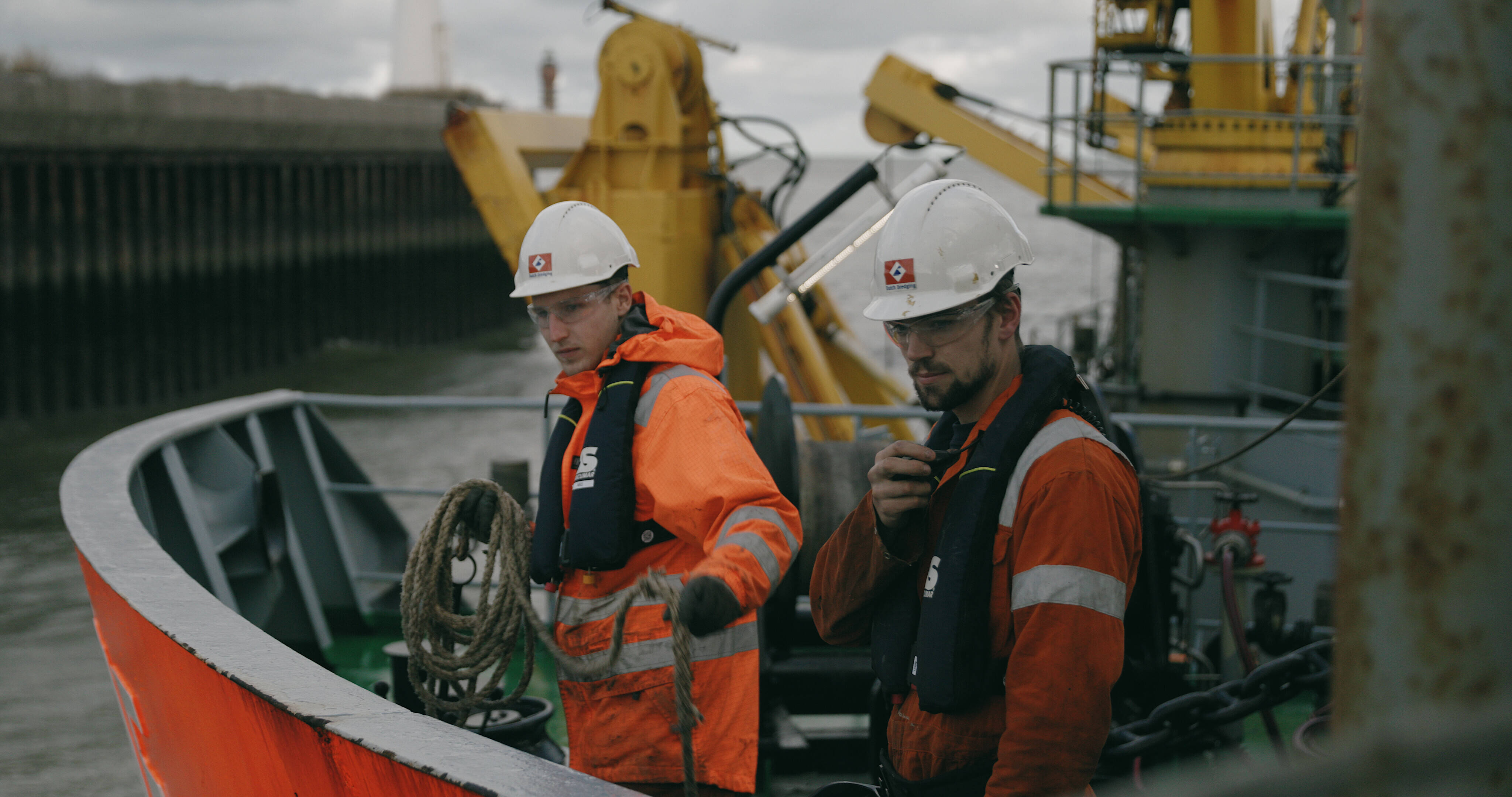
Image: SHIPTRON

Image: KNRM
“PPE and rescue equipment aren't just there to comply with regulations. They're there to get people home safely”
“Experience builds confidence, routine breeds complacency. Until life changes. Suddenly, responsibility felt different. Not just for myself, but also for the people waiting for me”
In some sectors, such as fishing, I still see young people going out to sea without any real introduction to the ship. No explanation, no tour. That is unacceptable. When you are on a ship for the first time, you need to know instinctively where your PPE and rescue equipment are. And if you don't get that explanation? Ask for it. Your own safety is always worth it.
My message to employers, shipping companies, and managers: Sending your crew safely to sea is your greatest responsibility. Legally, but also for you personally. No one should have to go out and tell loved ones that their family member will not be coming home. That will always weigh on you personally. You must do everything you can to prevent that from happening. Working safely at sea does not start with technology. It starts with behavior, so when putting on that life jacket with emergency transmitter
Do you work on deck, without proper railings, with unexpected movements, bad weather, or fatigue? Then a life jacket is just as essential as work boots or a helmet. And not just any life jacket, but one with a personal emergency signal. Don't make it a search operation. Make it easy to find. Because time is everything. The temperature of the water can quickly cause hypothermia. Twenty minutes can pass in no time. If the ship first has to turn around and search, that time is often already lost. With an AIS emergency beacon in the life jacket, someone becomes immediately visible on the map. Then rescue suddenly becomes feasible.
Test rescue equipment regularly
PPE and rescue equipment are not just there to comply with regulations. They are there to bring people home. That is why it is crucial that everyone on board knows where these items are and how they work. EPIRBs, life jackets, survival suits: they require little maintenance, but they do require attention. Test them regularly. Use the test function. And make sure people know where they are. Especially new people on board.
A good rescue device makes all the difference
A person in the sea is incredibly difficult to find, especially when no one knows exactly when it happened. A life jacket alone is often not enough. That realization became painfully clear to me—and to the sector—on January 1st 1995, when KNRM member Hans Westenberg fell overboard during a New Year's storm. We know Hans personally. He thought it was over until he noticed that his light was still working. That small light gave him hope. Eventually, he was found and rescued by a helicopter. That moment showed how thin the line between life and death is. And how big a difference a good rescue device can make.
Since then, a lot has happened in terms of technology. Communication at sea has become more reliable, distress signals have been automated, and AIS makes it possible to locate not only ships but also people in distress. Personal emergency beacons, integrated into life jackets, ensure that someone who falls overboard can be located immediately. Not only by their own ship, but by all ships in the vicinity.
But technology only works if you wear it
Studies by the Dutch Safety Board, among others, repeatedly show the same pattern: man overboard incidents are almost without exception fatal if no life jacket was worn. Without a life jacket, you have practically no chance at sea. It's that simple.
We think it makes perfect sense to wear a helmet to protect against falling objects. Safety glasses when grinding or welding. Gloves for heavy work. It's part of the system, part of the culture. But the life jacket—perhaps the most important PPE on board—is still too often seen as optional in some sectors. As something for “just in case.” Or for “when it's really necessary.” But falling overboard rarely happens at a planned moment.
My name is Carla Hogeweg and I have been working in maritime communications and safety equipment since 1987. My husband, with whom I run our company, is technically skilled. I am more involved in the commercial side of our organization. But regardless of our roles, we share one conviction: working at sea can only be done responsibly if personal protective equipment and rescue equipment are taken seriously. That conviction does not come from a manual. It comes from experience.
Complacency through experience
When I started sailing myself, I honestly felt invincible. A life jacket? I hardly ever wore one. I recognize that feeling in many people at sea: experience breeds confidence, routine breeds complacency. Until life changes. For me, that happened when I had children. Suddenly, responsibility felt different. Not just for myself, but also for the people waiting for me.
I asked myself a simple but confronting question: if I fell overboard now, what would happen? Would anyone see it? Would anyone know I was gone? And even if they did, how would they find me?
Foto: KVNR
Join Work Safely at Sea and help us spread the important message about safety further. We are looking for companies, ships, and workers to share their experiences. Your story can inspire others and make them aware of the crucial role safety plays in our work. Whether you have a success story or a lesson learned from a near miss, your contribution can make a difference. Fill in the form and join our mission to make the sea a safer place to work for everyone
at Sea!
een veilige en productieve plek voor iedereen"