for PPE
Safety is of paramount importance in the maritime sector. That is why we regularly speak with professionals from the sector who share their experiences, practical tips and valuable insights that help to work safely and efficiently.

PPE only works if you wear it
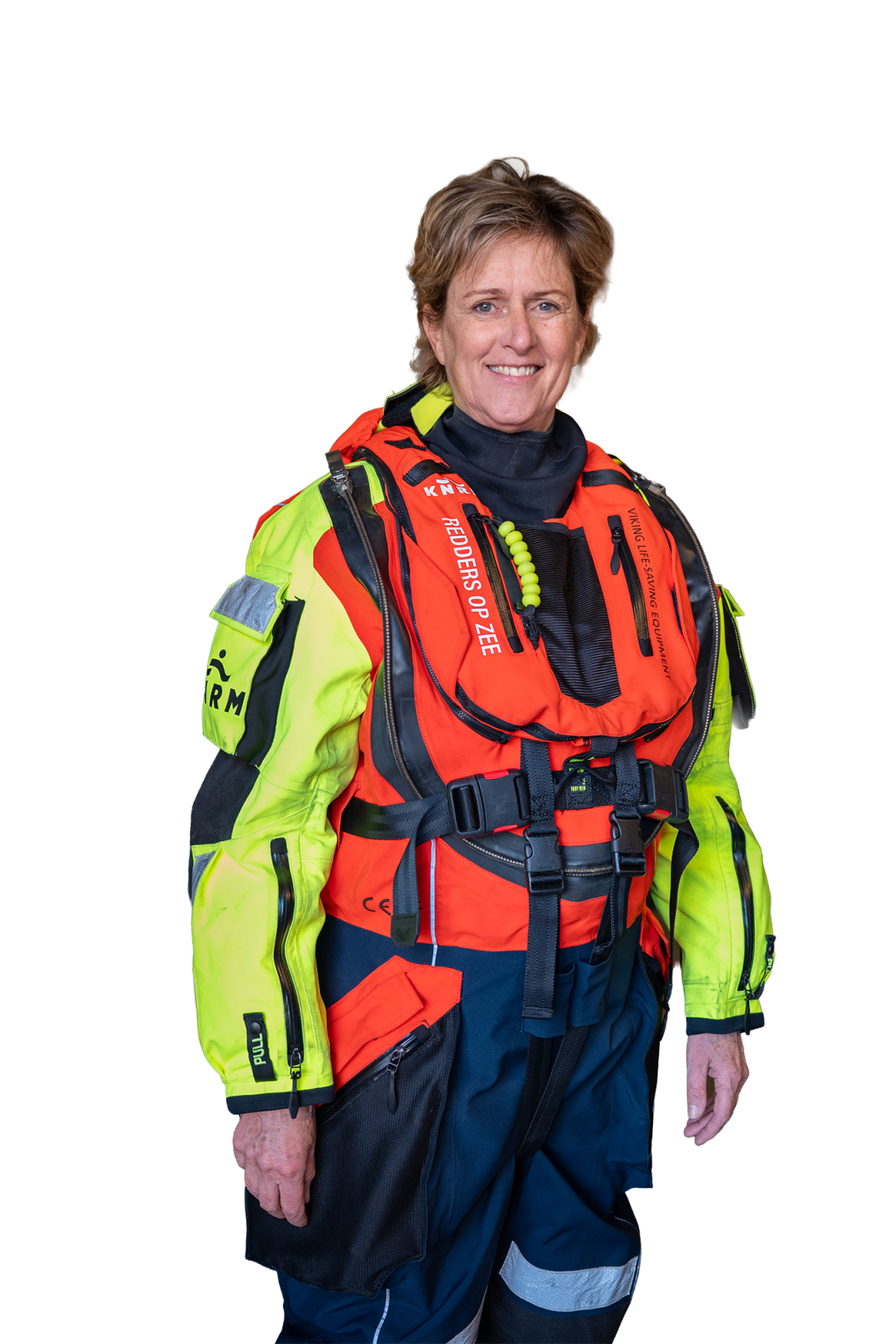
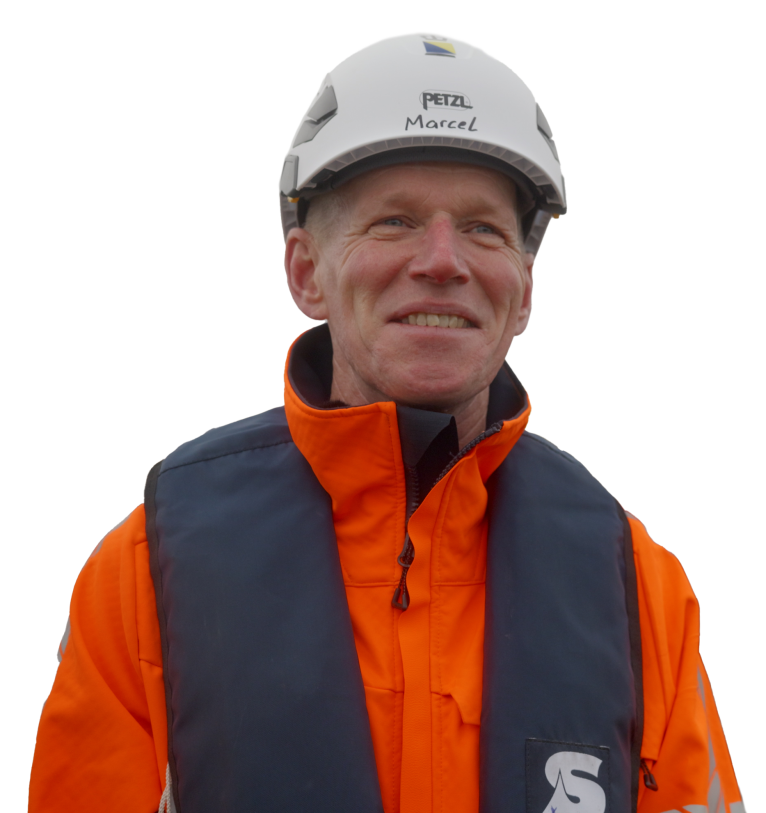
Life jackets and other personal protective equipment only work if you actually wear them. Always use them when necessary.
Keep checking
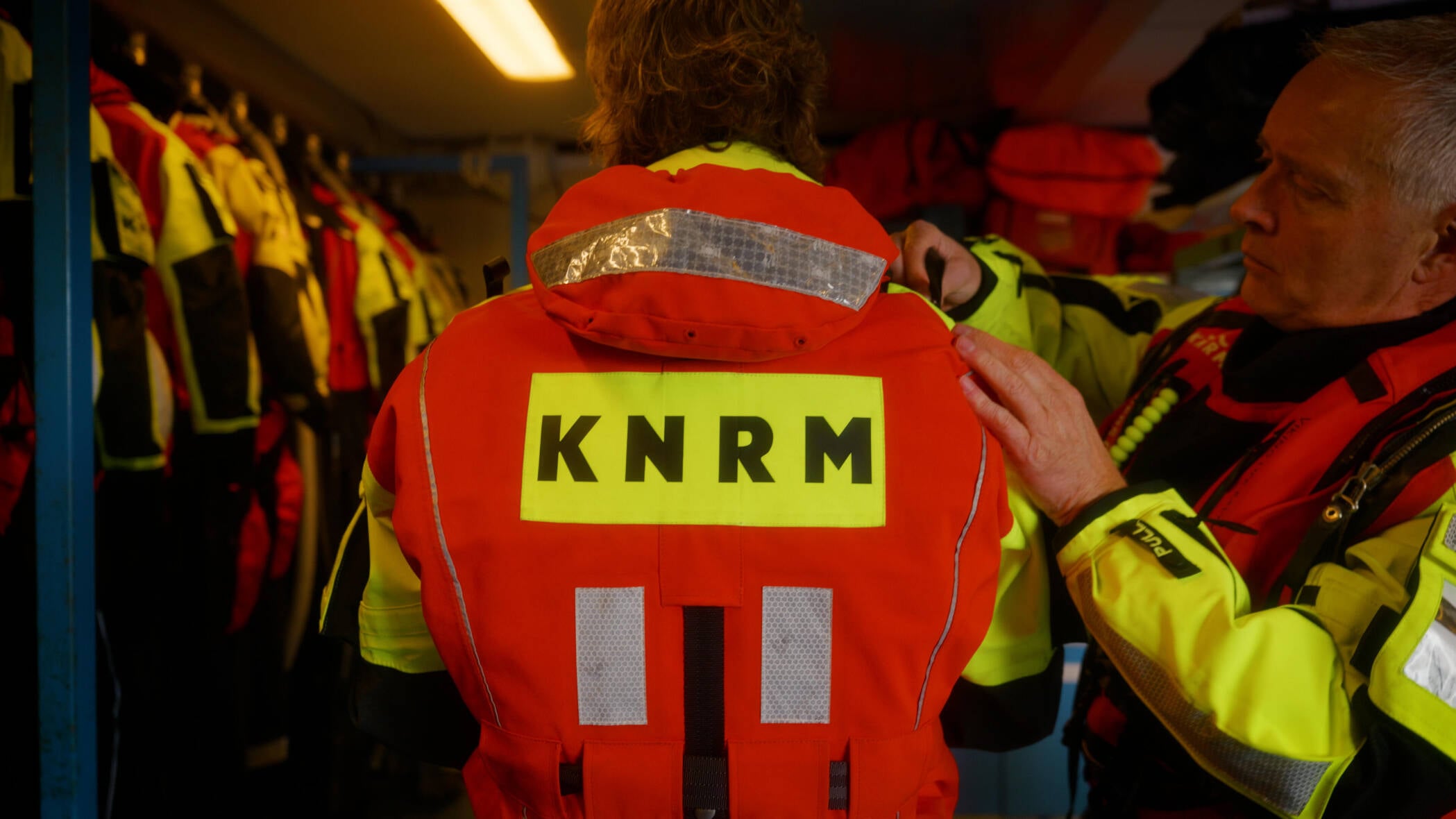
Check your personal protective equipment regularly. Know how it works and how to use it correctly.
Stay aware
Be constantly aware of your surroundings. Ask yourself: what risks might I encounter here?
Sharing reduces the chance of recurrence
Share incidents and near misses with each other and evaluate them together. By learning from them, you reduce the chance of recurrence.
Clear communication is key
Ensure good and clear communication on board. Clarity prevents misunderstandings and increases safety.

Check your life jacket regularly
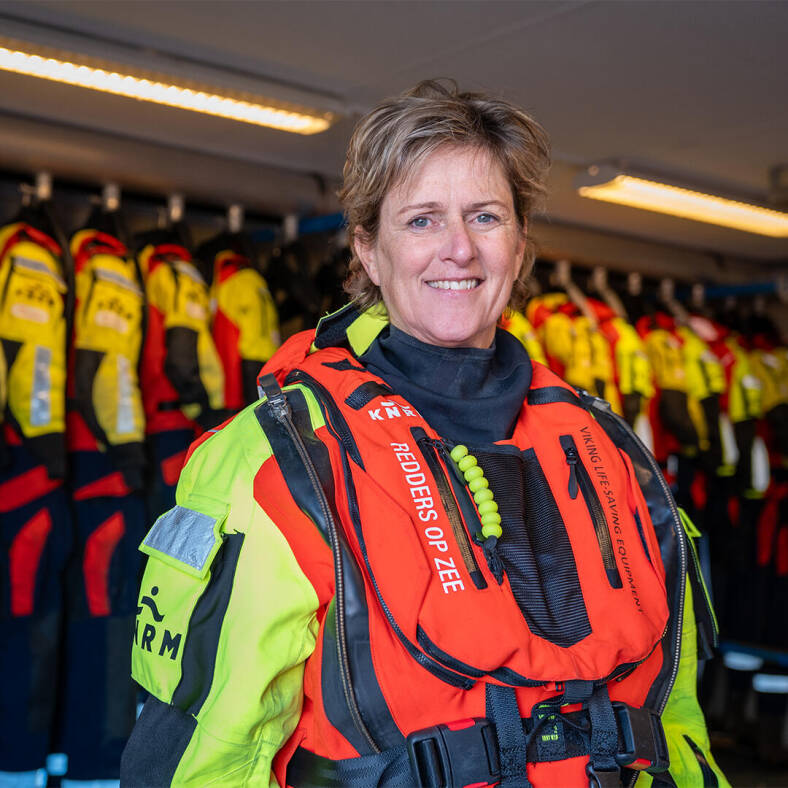
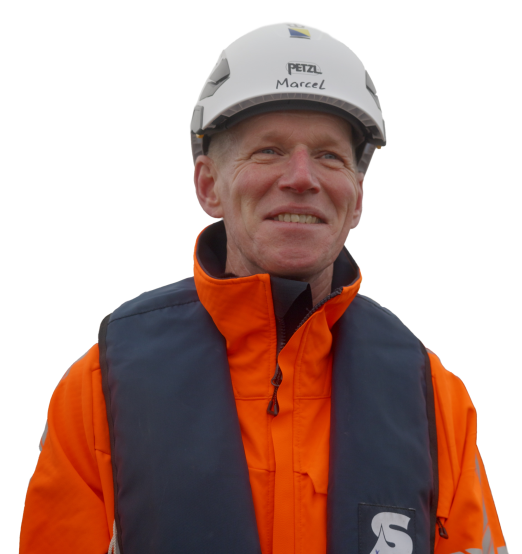
It is particularly important to take responsibility for automatically inflatable life jackets. Check that the cartridge is still in good condition, has not expired, and is correctly positioned. Do not wait until an inspection to do this.
Ensure your life jacket is inspected and approved
A life jacket only offers protection if it is technically sound. Therefore, ensure that the jacket is inspected in a timely manner and meets the applicable requirements.
Use modern, comfortable PPE
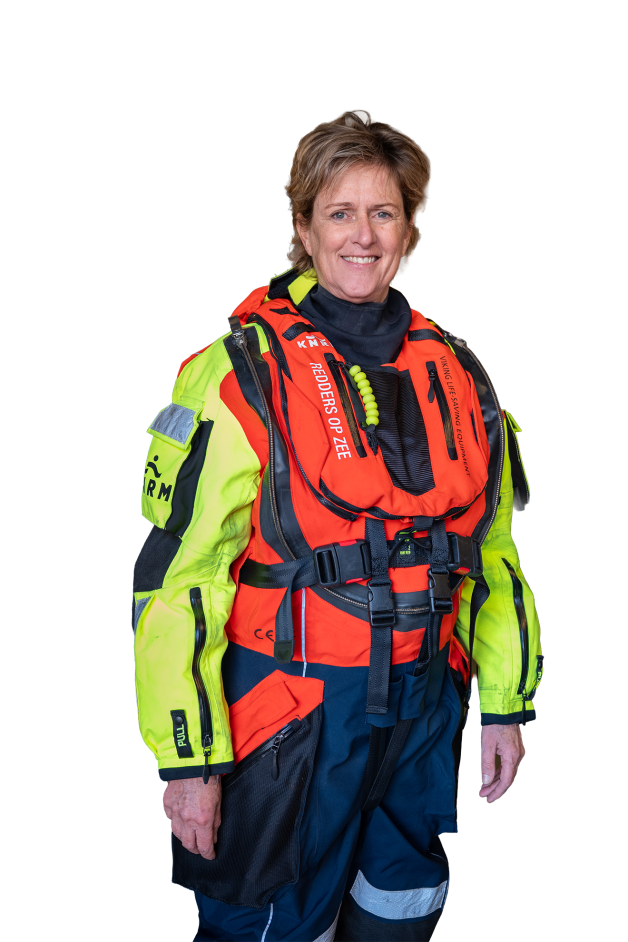
New personal protective equipment has been developed with greater comfort in mind, such as stretch material in pants and jackets. This makes working easier and safer.
Wear your PPE consistently
PPE should not be a burden, but an integral part of your work. If it fits well and is comfortable, there is less resistance to wearing it—and that increases safety.
See PPE as a last resort
Personal protective equipment is one of the last lines of defense for staying safe. That is precisely why it is essential to always put it on and use it correctly.

Combine inspection and upgrade
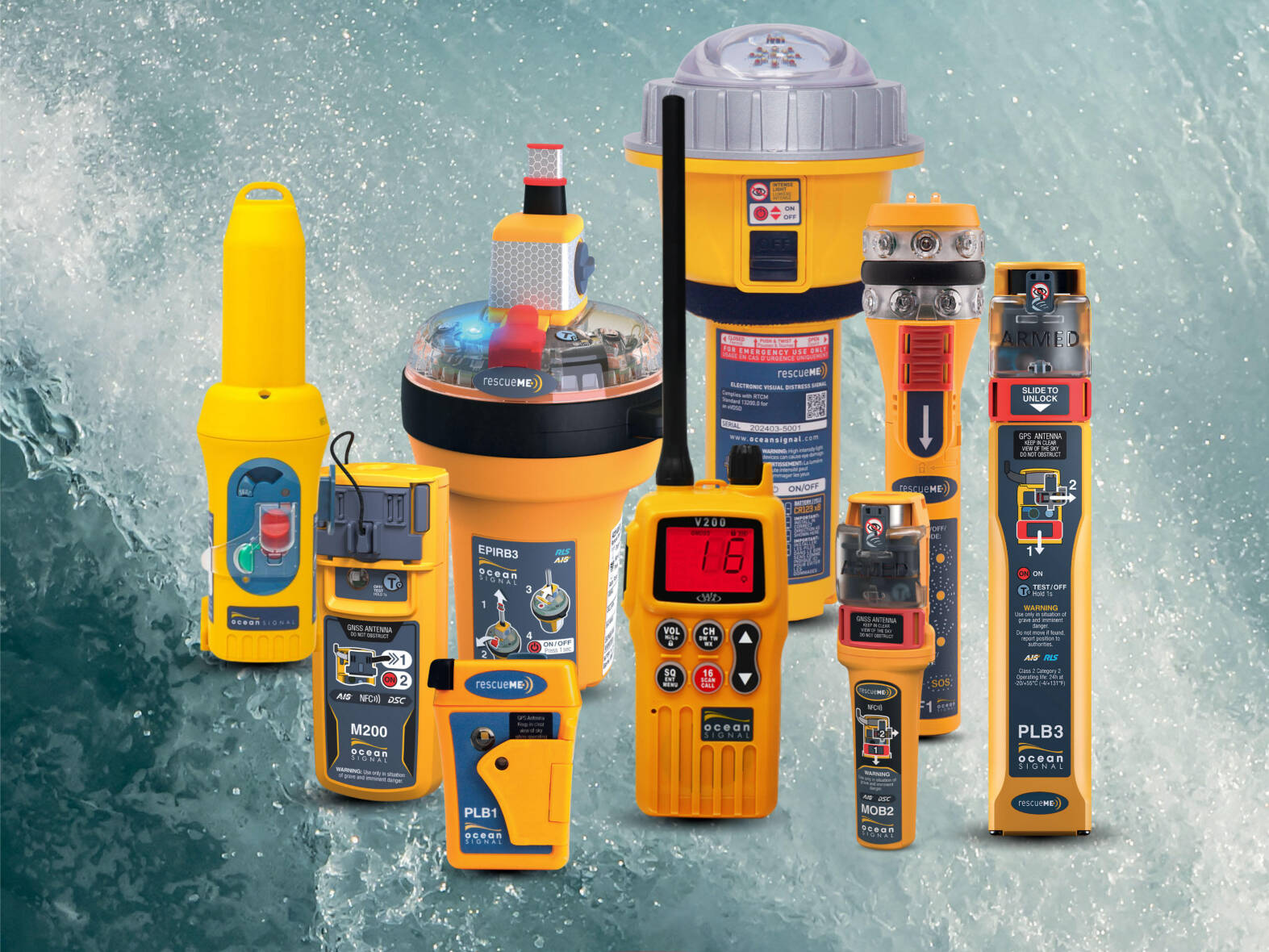
Do your life jackets need to be inspected or serviced? That's the perfect time to upgrade them with a personal emergency signal, such as an AIS-MOB or AIS-PLB function. Emergency equipment can often be serviced at the same time. This saves you time and money and avoids separate maintenance appointments.
Test what you have – without panicking
Almost all emergency beacons have a safe test function. Use it. During a test, you can see exactly which message is coming in and what it looks like on your own chart or AIS system. This way, everyone on board knows what will happen if the beacon is actually activated. A test message is clearly recognized as a test, so no one will think you are in distress.
See an emergency signal? Take action
Have you received an AIS or other emergency signal from a person or ship in the vicinity? Immediately contact ships in the area via VHF channel 16. If the signal remains active and the situation is unclear, report this to the coast guard and – if it is safe to do so – head in the direction of the signal. In the event of a man overboard, every minute counts, regardless of the type of vessel you are sailing.




Safety is of paramount importance in the maritime sector. That is why we regularly speak with professionals from the sector who share their experiences, practical tips and valuable insights that help to work safely and efficiently.
for PPE
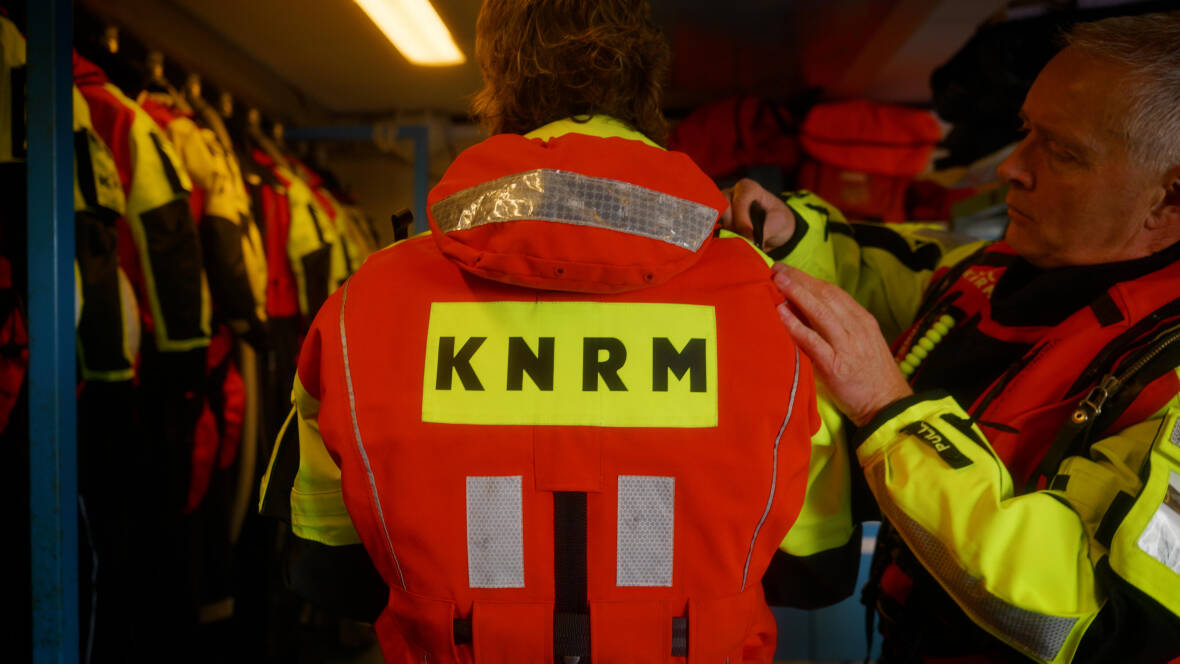
PPE only works if you wear it
Life jackets and other personal protective equipment only work if you actually wear them. Always use them when necessary.
Keep checking
Check your personal protective equipment regularly. Know how it works and how to use it correctly.
Stay aware
Be constantly aware of your surroundings. Ask yourself: what risks might I encounter here?
Sharing reduces the chance of recurrence
Share incidents and near misses with each other and evaluate them together. By learning from them, you reduce the chance of recurrence.
Clear communication is key
Ensure good and clear communication on board. Clarity prevents misunderstandings and increases safety.
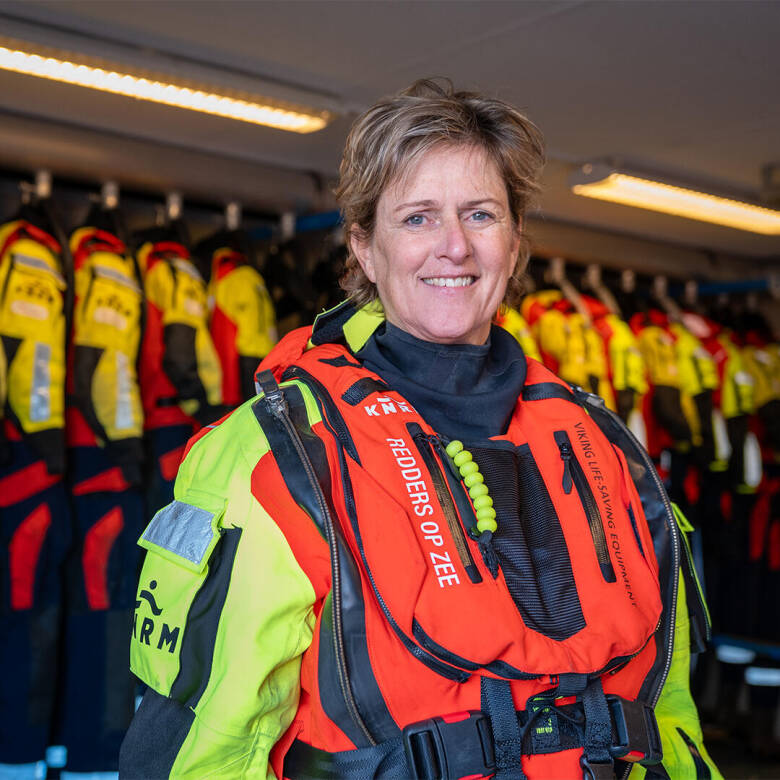
Check your life jacket regularly
It is particularly important to take responsibility for automatically inflatable life jackets. Check that the cartridge is still in good condition, has not expired, and is correctly positioned. Do not wait until an inspection to do this.
Ensure your life jacket is inspected and approved
A life jacket only offers protection if it is technically sound. Therefore, ensure that the jacket is inspected in a timely manner and meets the applicable requirements.
Use modern, comfortable PPE
New personal protective equipment has been developed with greater comfort in mind, such as stretch material in pants and jackets. This makes working easier and safer.
Wear your PPE consistently
PPE should not be a burden, but an integral part of your work. If it fits well and is comfortable, there is less resistance to wearing it—and that increases safety.
See PPE as a last resort
Personal protective equipment is one of the last lines of defense for staying safe. That is precisely why it is essential to always put it on and use it correctly.
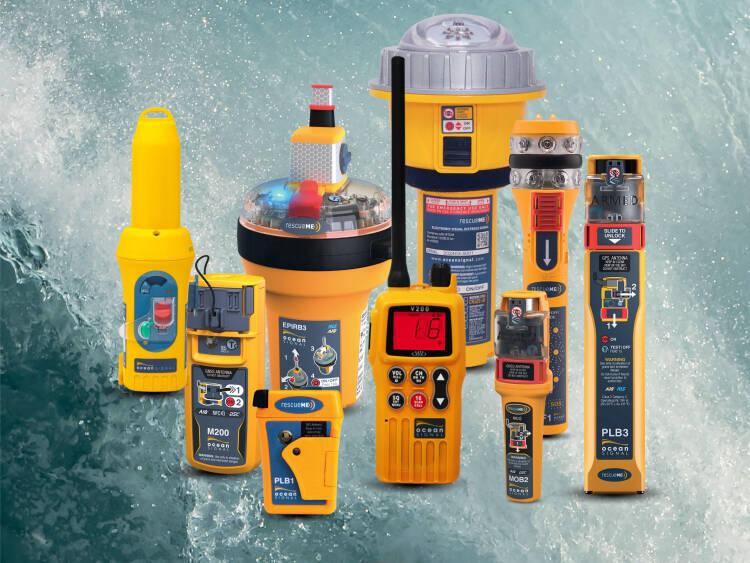
Combine inspection and upgrade
Do your life jackets need to be inspected or serviced? That's the perfect time to upgrade them with a personal emergency signal, such as an AIS-MOB or AIS-PLB function. Emergency equipment can often be serviced at the same time. This saves you time and money and avoids separate maintenance appointments.
Test what you have – without panicking
Almost all emergency beacons have a safe test function. Use it. During a test, you can see exactly which message is coming in and what it looks like on your own chart or AIS system. This way, everyone on board knows what will happen if the beacon is actually activated. A test message is clearly recognized as a test, so no one will think you are in distress.
See an emergency signal? Take action
Have you received an AIS or other emergency signal from a person or ship in the vicinity? Immediately contact ships in the area via VHF channel 16. If the signal remains active and the situation is unclear, report this to the coast guard and – if it is safe to do so – head in the direction of the signal. In the event of a man overboard, every minute counts, regardless of the type of vessel you are sailing.